
Introduction
Pesto is a tasty sauce many people enjoy on pasta, sandwiches, and more. It’s made from fresh ingredients and has a strong flavor that can be tempting to share. If you’re a dog owner, you’ve probably wondered if it’s okay to give your pup a little taste. Dogs often beg for what we’re eating, and it can be hard to say no. But not all human foods are safe for pets. In this article, we’ll talk about what’s in pesto, why it might not be good for your dog, and what to do if your dog eats some by accident.
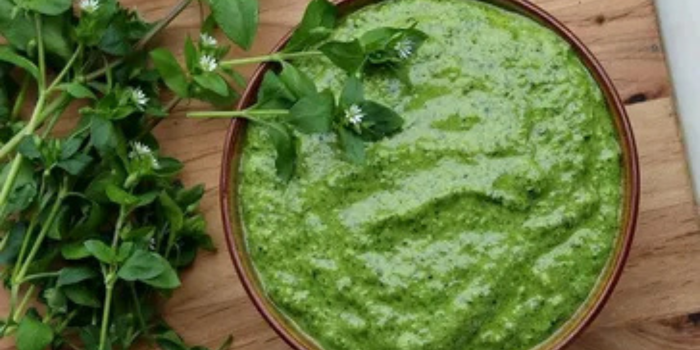
Table of Contents
1. What Is Pesto Made Of
Traditional pesto is made from basil, garlic, pine nuts, olive oil, Parmesan cheese, and salt. Some versions may include other nuts like walnuts or almonds. Pesto tastes great because of the mix of herbs, oils, and cheese. But when it comes to dogs, not all of these ingredients are safe. While some parts, like basil and olive oil, may not be harmful in small amounts, others can be dangerous. It’s important to look at each ingredient and understand how it might affect your dog. This way, you can make better choices about what to feed them.
2. Ingredients in Pesto That Can Harm Dogs
Some of the main ingredients in pesto are harmful to dogs. Garlic is one of the biggest concerns. Even small amounts of garlic can damage a dog’s red blood cells and lead to serious health problems. Nuts like pine nuts and walnuts are also a problem. They are high in fat and can upset your dog’s stomach or even lead to pancreatitis. Parmesan cheese and salt are not good either. Too much salt can cause dehydration or sodium poisoning. So while pesto might seem harmless, it contains several things that are not safe for dogs.
3. Why Garlic and Nuts Are Dangerous for Dogs
Garlic is part of the allium family, which also includes onions and chives. These foods are toxic to dogs and can cause anemia if eaten. Symptoms may not show right away, but over time, garlic can damage a dog’s red blood cells. Nuts are another concern. Many nuts are high in fat and hard for dogs to digest. Macadamia nuts are especially dangerous and can cause weakness, vomiting, and tremors. Even if the pesto doesn’t include those, pine nuts and walnuts can still lead to stomach issues. Because of these risks, pesto is not a safe choice for dogs.
4. Can a Small Amount of Pesto Hurt Your Dog
If your dog eats just a small lick or bite of pesto, they might be okay—but it depends on the ingredients and your dog’s size. Some dogs may not show any signs of illness after eating a little, but others might get an upset stomach. Small dogs are more at risk because it takes less of a harmful ingredient to affect them. It’s always best to call your vet if you think your dog has eaten pesto, even a small amount. Don’t wait for symptoms to show. Acting quickly can make a big difference for your dog’s health.
5. Signs Your Dog May Have Eaten Pesto
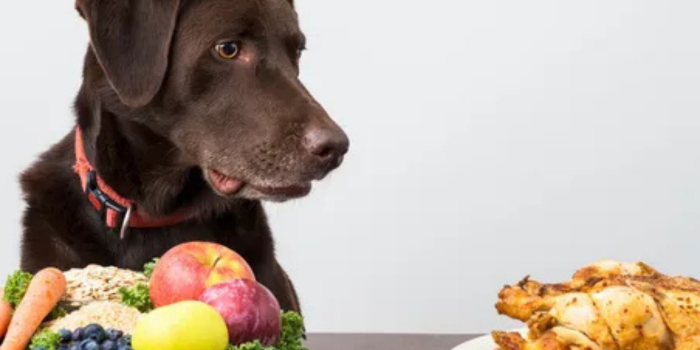
If your dog eats pesto, you should watch for signs of sickness. Common symptoms include vomiting, diarrhea, tiredness, or loss of appetite. If the pesto had garlic, your dog may develop signs of anemia, such as weakness, fast breathing, or pale gums. Eating too much fat can cause pancreatitis, which is painful and dangerous. Signs of that include belly pain, fever, and trouble standing. If your dog shows any of these symptoms, call your vet right away. Don’t wait to see if things get better. The sooner your dog gets help, the better the outcome will be.
6. What to Do If Your Dog Eats Pesto
If you catch your dog eating pesto, try to stay calm. First, check the ingredients if you made it at home or look at the label if it came from a jar. Then, call your vet and explain how much your dog ate and what was in it. Your vet may ask you to watch for signs or bring your dog in for a checkup. Don’t try to make your dog vomit unless your vet tells you to. Keep an eye on your dog and act quickly if anything seems off. Quick action is always the safest path.
7. Dog-Friendly Alternatives to Pesto
If you want to treat your dog to something tasty, there are safe options that won’t harm their health. You can make a dog-friendly “pesto” using ingredients like fresh basil, unsalted cooked pumpkin, and a little olive oil. You can also use plain cooked vegetables like carrots or green beans as a snack. Peanut butter is another favorite, but make sure it doesn’t have xylitol, which is toxic to dogs. Always give treats in small amounts and check with your vet if you’re unsure. Making safe choices helps keep your dog healthy and happy without any worries.
8. Final Thoughts on Feeding Pesto to Dogs
Pesto may be delicious for people, but it’s not a good snack for dogs. Garlic, nuts, and cheese can cause serious health issues. Even a small amount might upset your dog’s stomach or lead to long-term problems. Instead of sharing pesto, stick to treats that are made for dogs or use safe ingredients at home. Always check food labels and ask your vet if you’re not sure about something. Your dog depends on you to keep them safe. Avoid risky foods and focus on feeding your dog meals and treats that support their health and well-being.
1 thought on “Can Dogs Eat Pesto or Is It Bad for Their Health”