Introduction
Breeding a German Shorthaired for the first time can feel like a good step. You may be excited, a little nervous, and full of questions. That’s normal. This article is here to help you feel more confident by breaking the process into clear, simple steps. Whether you’ve had your dog for years or just got started, this guide will show you what to keep in mind. We’ll talk about the breed, what to expect, and how to handle each part of the journey. You don’t need to be an expert—just someone who truly cares.
Table of Contents
Understanding the German Shorthair Breeding
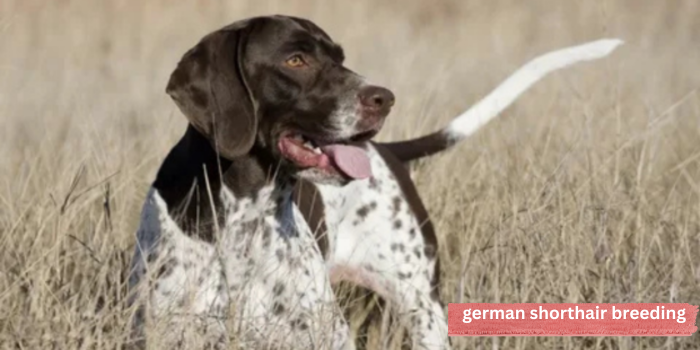
The German Shorthaired is a friendly, smart, and energetic dog. It was originally bred for hunting, but today it’s also known as a great family companion. These dogs are strong, loyal, and always ready to play. They love being around people and usually get along well with children. Because of their active nature, they need plenty of exercise and mental stimulation. Before starting the breeding process, it’s important to know what makes this breed special. A healthy and happy dog begins with understanding its needs, habits, and natural behavior. It makes everything else easier to handle.
Things to Know Before You Start Breeding
Breeding a dog should never be rushed. The first thing to check is your dog’s health. A vet should examine your dog to make sure it is in good condition and ready for the process. Most female dogs should not be bred until they are at least two years old. Breeding too early can lead to health issues for both the mother and the puppies. It’s also important to think about your dog’s temperament. A nervous or aggressive dog might not be the best fit for breeding. Make sure your dog is calm, confident, and well-socialized.
Choosing the Right Mating Pair
Picking the right male and female dogs is one of the most important parts of the breeding process. Both dogs should be healthy, free from serious health problems, and have good temperaments. Their family history should also be reviewed to avoid passing on genetic issues. A responsible breeder often chooses dogs with strong, balanced traits that will help improve the breed. It’s not just about looks—it’s about personality, health, and behavior. Talk to a vet or someone with experience if you’re unsure about a match. A smart pairing gives the puppies the best chance at a good life.
Preparing for the Breeding Process
Before the breeding takes place, your dogs need to be comfortable and safe. The female should be in heat, and the timing must be just right for the best chance of pregnancy. This can be tracked with the help of a vet. Keep both dogs relaxed and don’t rush the process. If this is the first time for either dog, they may need extra patience and care. Stay nearby in case help is needed, but avoid interfering unless there’s a problem. Respect and safety come first.
Pregnancy and Whelping Basics
Once your female dog is pregnant, she’ll need extra care. A vet can help guide you with this. During the pregnancy, which lasts about 63 days, you’ll notice changes in her behavior. She might rest more or become more affectionate. As the due date gets closer, prepare a whelping area—a quiet space with clean bedding where she can safely give birth. Keep the space warm and peaceful. Watch for signs of labor, like nesting or restlessness. Most dogs handle birth well, but stay close in case she needs help.
Caring for the Puppies in the First Few Weeks
Once the puppies arrive, the real work begins. The initial weeks of their lives are critical. Make sure the mother is feeding them and that they’re warm and clean. Newborn puppies can’t regulate their own body heat, so a heating pad or lamp may be needed. The whelping area should stay quiet and clean. Check the puppies daily for signs of good health—round bellies, pink gums, and steady growth. Avoid too much handling at first, but stay close to monitor their progress. The mother will do most of the work early on, but your watchful care is still key.
Common Mistakes First Time Breeders Make
It’s easy to make mistakes when you’re new to breeding, but knowing what to avoid helps a lot. One common issue is not getting a health check before breeding. Another is failing to prepare a safe whelping space. Some people also underestimate the time and effort needed to care for a full litter. Breeding takes money, time, and a true love for dogs. It’s not just about having puppies—it’s about making sure they’re healthy and go to good homes. Take your time, do the research, and never be afraid to ask for advice from someone with experience.
When to Contact a Vet or Professional
Even with the best preparation, things can sometimes go wrong. If your dog shows signs of pain, stops eating, or doesn’t care for the puppies, contact your vet. The same goes if a puppy seems weak, isn’t gaining weight, or shows trouble breathing. It’s always better to ask questions than to wait too long. A vet can also help with tasks like vaccinations and early health checks. Some breeders also work with trainers or dog behavior experts to help puppies grow up strong and well-adjusted. Knowing when to ask for help shows that you’re a thoughtful and caring breeder.
Final Thoughts on Responsible Breeding
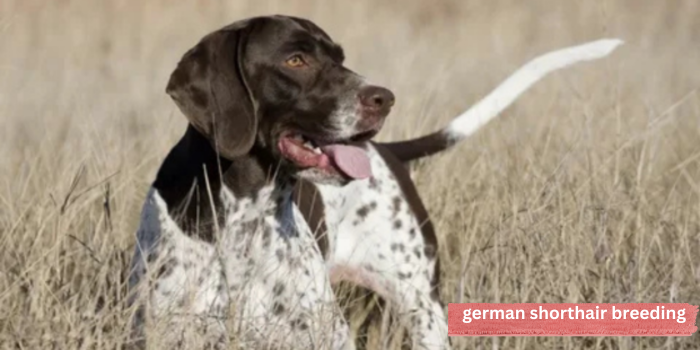
Breeding German Shorthaired Pointers (GSP Dogs)can be a rewarding experience when done with care and responsibility. It’s about much more than just creating puppies—it’s about raising happy, healthy dogs that are ready for a good life. From choosing the right pair to caring for newborns, every step matters. As a first-time breeder, your love for dogs is your biggest strength. Keep your focus on the well-being of the dogs, stay organized, and always be open to learning more along the way. Your effort makes a difference—not just for your dogs, but for the families who welcome them.
1 thought on “German Shorthair Breeding Made Simple for First Time Dog Owners”